Transforming Healthcare into Self-Care Through Purposeful Branding
Customer

The recent branding project for Ayara perfectly illustrates how a modern, empathetic visual identity can completely revolutionize a healthcare practice's market presence. In an industry historically dominated by cold, sterile aesthetics, this project takes a radically different approach by positioning medical support as holistic well-being, anchored by the core message: "Not Just Like Health care It's Self Care". The visual identity is built on a warm, inviting color palette featuring soft shades like Baby Pink, Blackberry, and Lime, paired with the elegant and approachable typography of Mackinac Pro. This intentional design language instantly softens the clinical barrier, making patients feel comforted rather than intimidated. By incorporating fluid, organic graphic elements and relatable lifestyle photography of people prioritizing their wellness, the brand immediately communicates empathy, balance, and human connection.

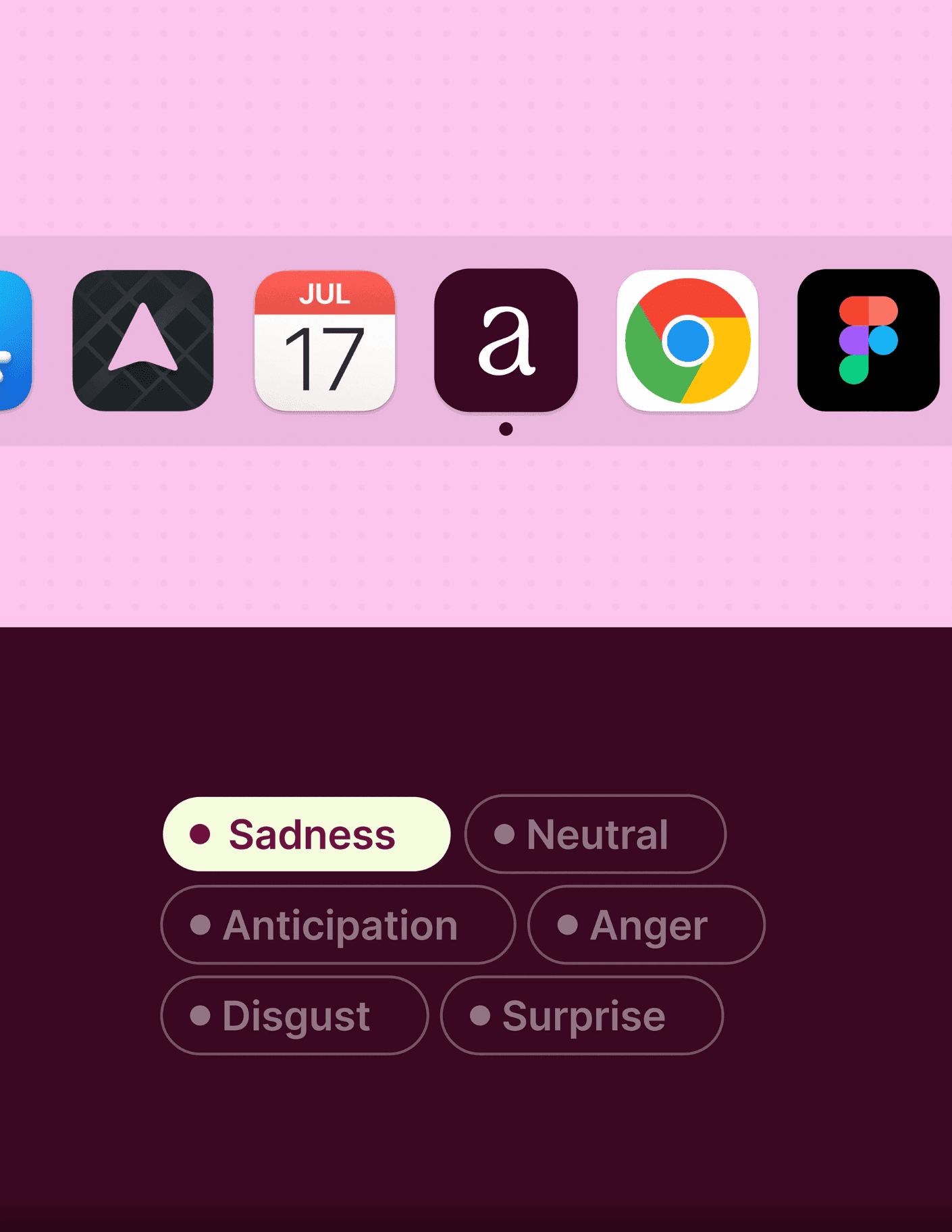


The digital experience is designed to be equally intuitive and supportive. The website interface provides a clean, unified platform that promises "Everything you need, all in one place," seamlessly guiding users through holistic categories like Women's Health, Human food and nutrition, and Fitness Care. Furthermore, the thoughtful user interface elements—such as emotional tracking buttons that allow users to log feelings like Sadness, Anticipation, Anger, and Surprise—demonstrate a profound understanding of the nuanced patient journey.
For clinic owners and mental health professionals, this level of cohesive, professional branding is far more than just surface-level aesthetics; it is a critical engine for practice growth. When a clinic invests in a unified brand identity across all touchpoints—from impactful billboard campaigns promising "Healthcare Made Personal" to a beautifully optimized digital platform—it builds instant, undeniable authority. High-quality branding bridges the gap between clinical expertise and human emotion. It destigmatizes seeking help, signals to high-value patients that they will receive premium, personalized attention, and ultimately turns an invisible clinic into a highly sought-after destination for healing.